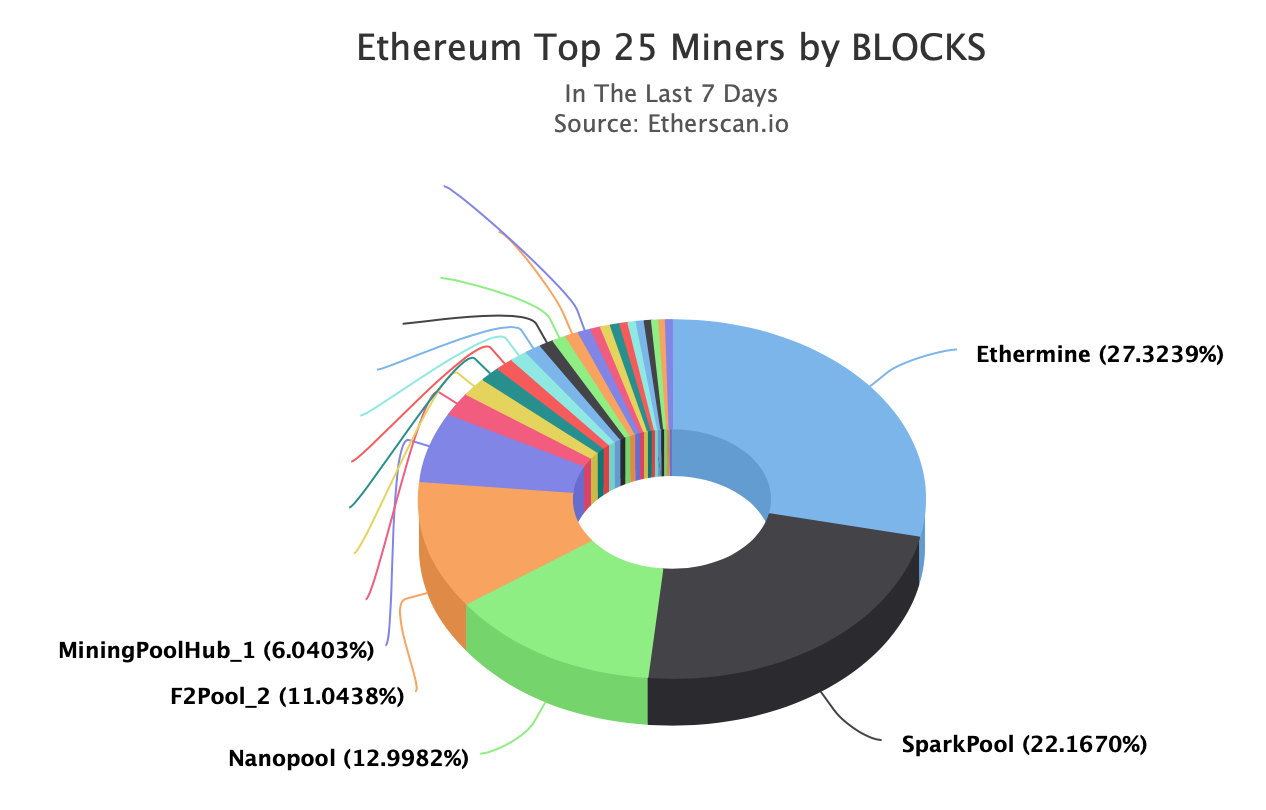
Who runs Ethereum? Who's accountable for what happens on the Ethereum network? This is the first in a series of blog posts exploring this topic.
Published on January 23rd, 2019
Who runs Ethereum? Who's accountable for what happens on the Ethereum network? This is the first in a series of blog posts exploring this topic.
Published on January 14th, 2019
I've started a new law practice that's 100% dedicated to serving the blockchain/crypto market. The launch was been covered on Friday by Bitcoin Magazine: https://bitcoinmagazine.com/articles/canadas-first-all-crypto-legal-firm-opens-its-doors-to-global-clientele/. The firm was officially opened on the 10th anniversary of the Bitcoin genesis block, January 3rd, 2019. I'm excited to be able to work full-time in this industry as cryptocurrency enters its second decade.
From 2013-2017 I ran a technology law practice that slowly transformed into a cryptocurrency-focused law practice. The law practice was very successful, serving around 150 clients, primarily located in Ontario. But it was a bit too busy. In the fall of 2018 I was faced with the choice of either expanding my practice (i.e. hiring associates or adding partners), joining a larger firm, or doing something more radical. Around this time one of my key clients, Ethereum co-founder Anthony Di Iorio, expressed an interest in having me change my role from outside counsel to inside counsel. In 2017 Anthony made me an offer to join Decentral Inc., his main corporation, as its Chief Legal Officer. Within two months I was promoted to President and took on a general management role.

Published on December 3rd, 2018
My last blog post was in August, 2017. The reason why there hasn't been other posts since then is that I became the President of Decentral Inc.
At Decentral I led the development of a next generation cryptocurrency wallet (jaxx.io) and many other exciting projects. I built up the company to 35 employees, increased revenue by millions of dollars a year, released a major new platform, and helped nearly a million people around the world to interact with their cryptocurrency. I didn't have time for personal blogging.
Published on August 31st, 2017
Last week the CSA published a staff notice on ICOs (token crowd sales) and cryptocurrency funds. This week my thoughts on that staff notice were published in Bitcoin Magazine: https://bitcoinmagazine.com/articles/op-ed-planning-ico-canada-here-are-10-regulatory-points-ponder/.
The actual staff notice, titled “CSA Staff Notice 46-307 Cryptocurrency Offerings” can be read here.
Published on August 14th, 2017
In an hour I'll be speaking on a panel at the Bitcoin & Ethereum Summit. The topic for the panel is ICO vs. VC. As a prelude to the talk, here's a table that compares venture capital (VC) investment with initial token offerings (ITO)/initial coin offerings (ICO) sales:
| VC | ICO |
|---|---|
| Rich investors who supply the VCs with capital | A wide group of sophisticated members of the public |
| Costly and lengthy due diligence | Very little or no diligence |
| Person making decision is accountable to other people | Person making decision is putting their own money in |
| Companies pitch investors, usually with 1:1 meetings | Companies put information online |
| Proprietary software and patents are key | Open and public software is important |
| A business plan is essential | Software development talent is essential |
| Investor decisions driven by: fear of losing money | Decisions driven by: fear of missing out |
| Well-developed models and conventions | Rapidly evolving models and approaches |
| Very illiquid investments, rarely results in public trading | Liquidity is often fairly quick, (public) resale is common |
| Local investors, local companies | Global everything |
| Sometimes government subsidized | Never government subsidized |
| Financially and legally complicated | Technically complicated |
| Financial projections are important | Financial projects are rarely made |
| Terms favour investors | Terms favour companies |
| Selling a company's future | Selling a company's products |
Published on July 25th, 2017
The US Securities and Exchange Commission has published a long report on the “The DAO” that contains an an analysis of the application of US securities laws to token sales/ICOs.
Surprisingly, they decided not to proceed with an enforcement action against anyone involved in The DAO. The full report can be read here: https://www.sec.gov/litigation/investreport/34-81207.pdf.
Published on July 25th, 2017
A model American state law for virtual currency businesses was approved last week by the National Conference of Commissioners of Uniform State Laws: “UNIFORM REGULATION OF VIRTUAL CURRENCY BUSINESSES ACT”.
I hope that this model law is not used as inspiration for regulatory efforts in Canada. This blog post explains why.
Published on June 4th, 2017
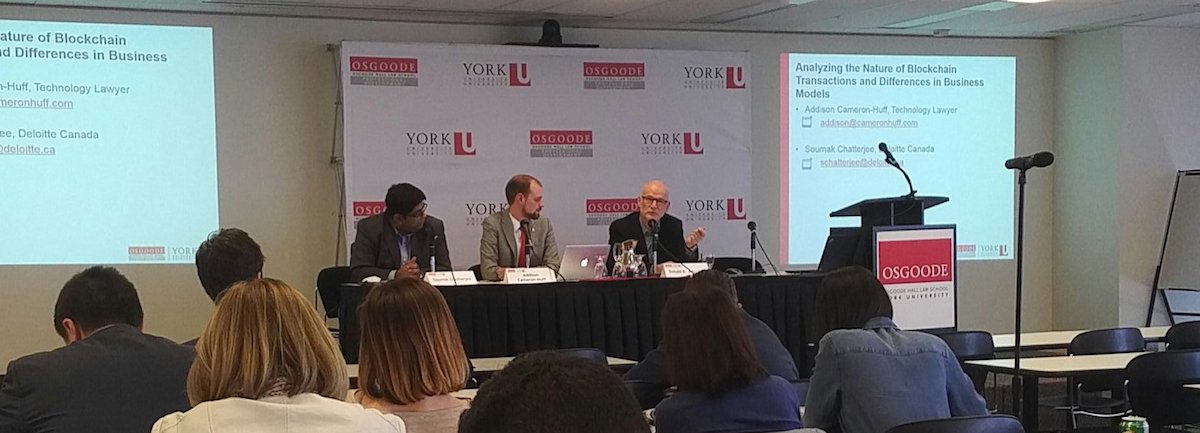
On March 20th Donald Johnston (Aird & Berlis) and I ran an event with OsgoodePD titled “Critical and Emerging Issues in Blockchain Law”. This is my recap of what was covered.
Published on June 3rd, 2017
I created flatlaw.ca in 2013 shortly after starting up my law practice. It's now one of the highest ranked sites for many fixed fee-related search terms on Google. As of June 3rd, there are 100 lawyers advertising 551 fixed rate legal services products.
This blog post contains some of the statistics for the site over the last couple years.
Published on April 25th, 2017
I ran a webinar this afternoon with the BC Courthouse Libraries titled “Digital Security for the 2017 Lawyer”. You can download the slides here.
The event was conceived and hosted by Katrina Leung, a BC corporate-commercial lawyer who works for the BC Courthouse Libraries. We had about 125 people tune in and they've kindly permitted me to distribute the slides. A webcast will also be made available next week on their Vimeo page.
Published on April 3rd, 2017
My article on “tokenization” of real world assets was published by Bitcoin Magazine on Friday.
From the introduction:
“Tokenization is the process of converting rights to an asset into a digital token on a blockchain. There is great interest by financial intermediaries and technologists around the world in figuring out how to move real-world assets onto blockchains to gain the advantages of Bitcoin while keeping the characteristics of the asset.”
Published on March 21st, 2017
Yesterday I spoke at the OsgoodePD mini-conference on “Critical and Emerging Issues in Blockchain Law”. One of the items I covered was a brief highlight of laws that are often relevant to blockchain companies. Here are the statutes:
1. Federal anti-money laundering law: Proceeds of Crime (Money Laundering) and Terrorist Financing Act. Note that there's also a Quebec law that might be relevant.
Published on February 27th, 2017
Bitcoin hit new record highs recently ($1600 CAD), in part based on speculation about Bitcoin ETFs. Although some people look at Bitcoin as in investment, other people use it as a payment method. What sorts of things can you buy with Bitcoin?
In recent months I've heard of people using Bitcoin for:
Published on February 27th, 2017
The Bank of Canada released a working paper this month that contains a bold claim: “Lesson 1: Digital currencies will be counterfeited.” The paper is on the lessons that private bank notes from many decades ago hold for digital currencies today. Much of the paper consists of an excellent history of bank notes. But the paper also contains claims about digital currencies, specifically, private, non-Central Bank affiliated digital currencies like Bitcoin. This blog post explains why the working paper's Lesson 1 claim about digital currency counterfeiting is not correct.
The working paper states that bank notes have always been counterfeited. They then go on to explain several problems with digital currencies that have nothing to do with counterfeiting (such as "fraud" and "cyber attacks") and conclude with:
Published on February 17th, 2017
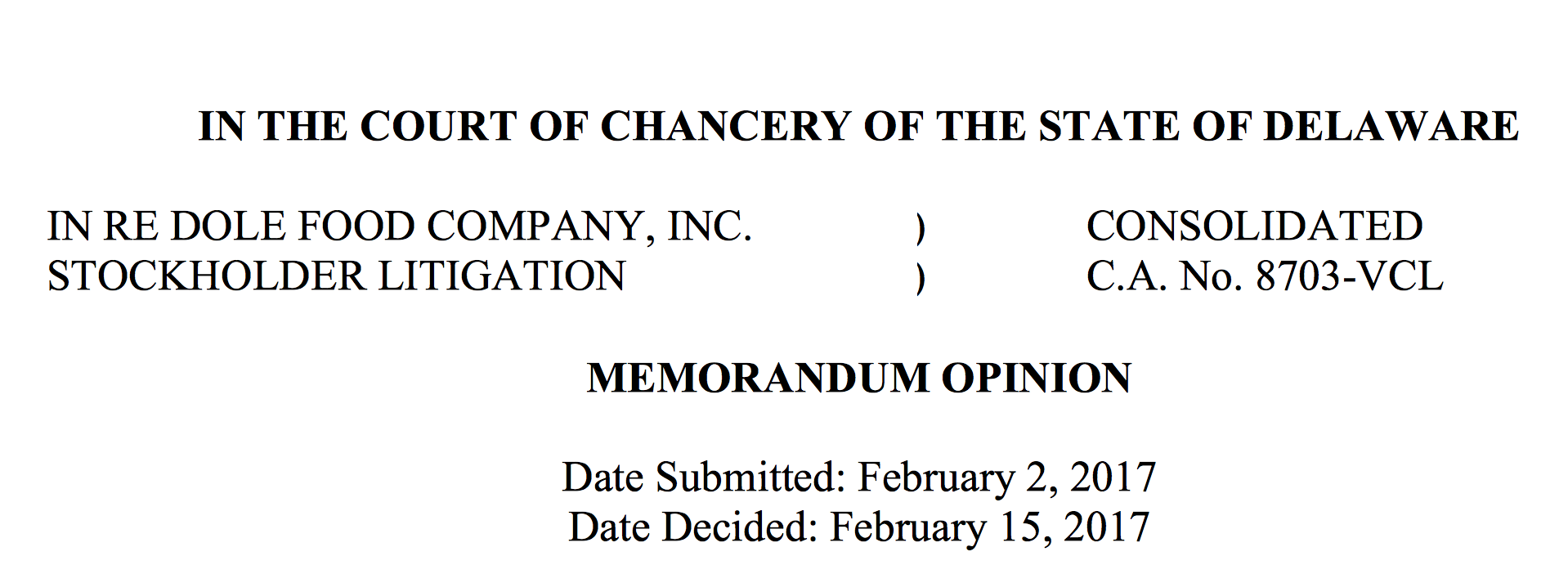
The Delaware Court of Chancery (leading corporate law court in the US) ruled on Wednesday in a case that involved miscounting of shares as part of a buyout of Dole. In a footnote the court notes that blockchain technology would be a good solution to one of the key issues in the case:
“[D]espite laudable and largely successful efforts by the incumbent intermediaries to keep the system working, the problems have grown. ... Distributed ledger technology offers a potential technological solution by maintaining multiple, current copies of a single and comprehensive stock ownership ledger.” - Footnote #1, pgs. 8-9
Published on January 2nd, 2017
Delaware is the corporate capital of the United States. It has more corporations than residents. Many jurisdictions would like to follow in Delaware's footsteps and become a hub for incorporations (one benefit: ongoing registration fees). And in 2017 there's an opportunity to use technology to leapfrog Delaware and create a global corporate hub. This blog post lays out how Rwanda could create a Delaware-beating infrastructure based on blockchain technology (also called "Distributed Ledger Technology"). Added bonus: Rwanda create a new class of online corporation with publicly traded securities.
Published on December 15th, 2016
Last week I spoke about blockchain-based corporate voting (and other topics) at the “Blockchain Symposium” held by Gowlings WLG in Toronto. This blog post expands on that discussion and explains why I think corporate voting via blockchain will be reality within the next few years.
Corporate voting is just one aspect of the large constellation of service companies that handles ownership, registration, transfer, settlement, clearing, and other functions of the public securities markets. What's going on in the world of securities management/investor communications?
Published on December 13th, 2016
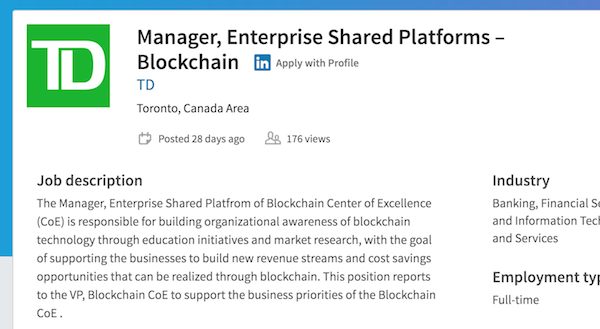
TD is looking for a manager for their "Enterprise Shared Platform of Blockchain Center of Excellence". The position "reports to the VP, Blockchain CoE to support the business priorities of the Blockchain CoE." The ad was posted a month ago: https://www.linkedin.com/jobs/view/236085965.
Published on December 6th, 2016
The US Federal Reserve published a paper this week on the application of blockchain technology to the payments, clearing and settlement sectors of the US financial system.
The paper is an excellent overview of the current system and how blockchain might change things. Section 2.1 provides explanations of payment processing, securities post-trade processes and the roles of financial intermediaries. From the section on settlement:
Published on October 15th, 2016
Starting a blockchain software business? Below is a checklist of some of the legal & business issues common to this emerging industry.